
Legendary Sweet Auburn: When music lit up the avenue
By Adrianne Murchison
Publish Date: August 7, 2025
There was a time when Auburn Avenue pulsed to the rhythm of legends.
In the late 1940s — Sweet Auburn, the historic district alongside Atlanta’s Old Fourth Ward — came alive with opening of the Royal Peacock nightclub, and became a nationally known stage where legendary performances and vibrant Black culture lit up the night.
One of the most stirring remnants of that era isn’t a photo or a poster. It’s a guest book from the Royal Peacock — thick, hardbound, and filled with handwritten names and addresses of those who passed through its doors. Each signature whispers the memory of nights when music lingered like perfume in the air. The cursive loops and faded pencil lines breathe with belonging.
Patrons paying a $3.50 cover charge packed the Royal Peacock. Four-top tables hugged the walls and the dance floor pulsed with life. On stage were the likes of Sam Cooke, Dinah Washington, Ray Charles and Little Richard. Some said the nightclub rivaled the Apollo Theater in Harlem.
Originally the Top Hat Club, Carrie Cunningham purchased the nightspot in 1949 renaming it the Royal Peacock.The lavish name and Egyptian revival decor was inspired by her early performances riding horseback in a traveling musical circus. The nightclub soon earned the nickname “Club Beautiful.”
The daughter of formerly enslaved parents, Cunningham earned the funds to open the nightclub by running the Hotel Royal above Citizens Trust Bank on Auburn Avenue, according to Red Bull Music Academy Daily Archive. The hotel became a haven for Black travelers in the segregated South.
Fellow entrepreneur, B.B. Beamon, a mattress-factory worker turned music promoter, also helped to elevate Sweet Auburn’s music scene. He began booking local bands in the 1930s for the mattress company’s monthly office parties, and by the early 1940s he was recruiting big names to the Top Hat Club.
Louis Armstrong was the first famous name he booked, Beamon said in an oral history recording with the University of Georgia Digital Library.
Duke Ellington, B.B. King and others soon followed.
“A lot of people get me confused with B.B. King,” Beamon wryly. “I’m B.B. Beamon — not B.B. King.”
With the money he earned from shows across the South, Beamon opened B.B. Beamon’s Restaurant in 1961 inside the historic Herndon Building on Auburn Avenue. It became a vibrant gathering place, where conversation, cuisine, and the Civil Rights Movement intersected. Dr. Martin Luther King Jr. would hold meetings in a private room at the restaurant, Beamon said.
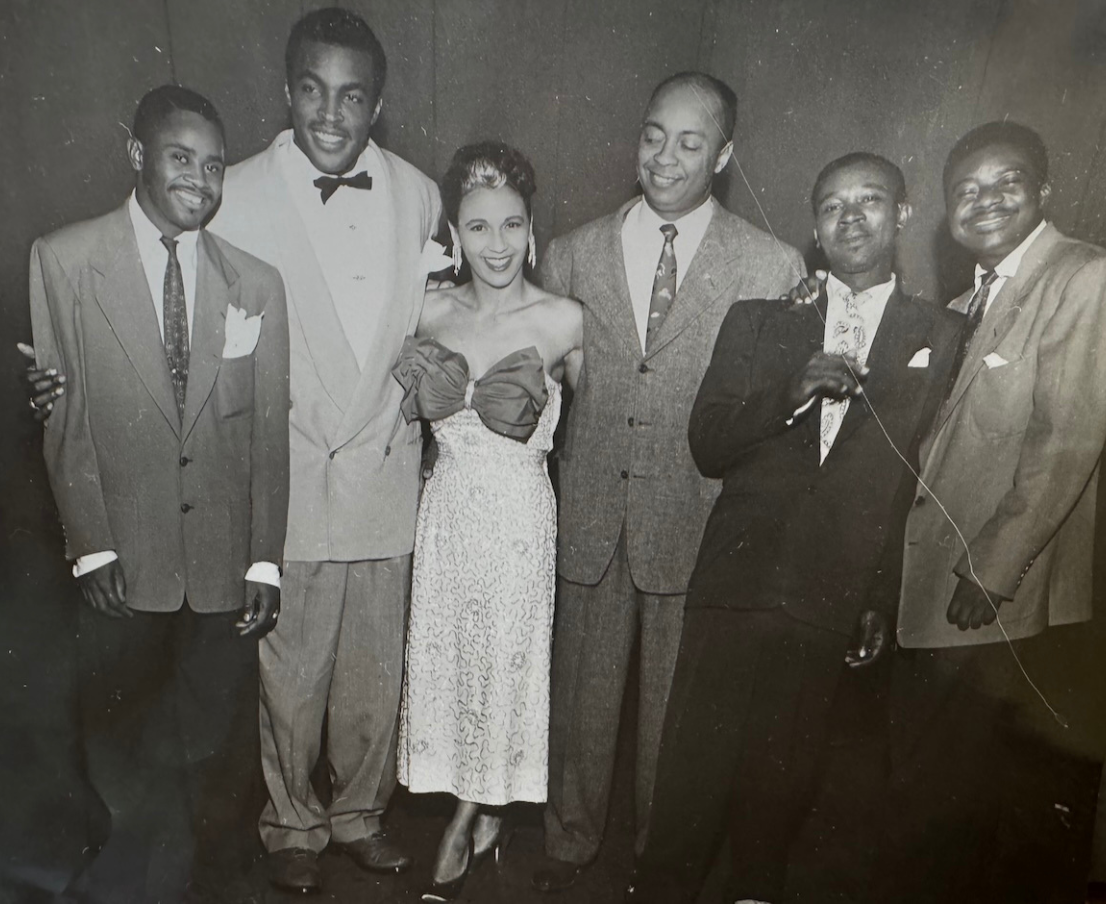
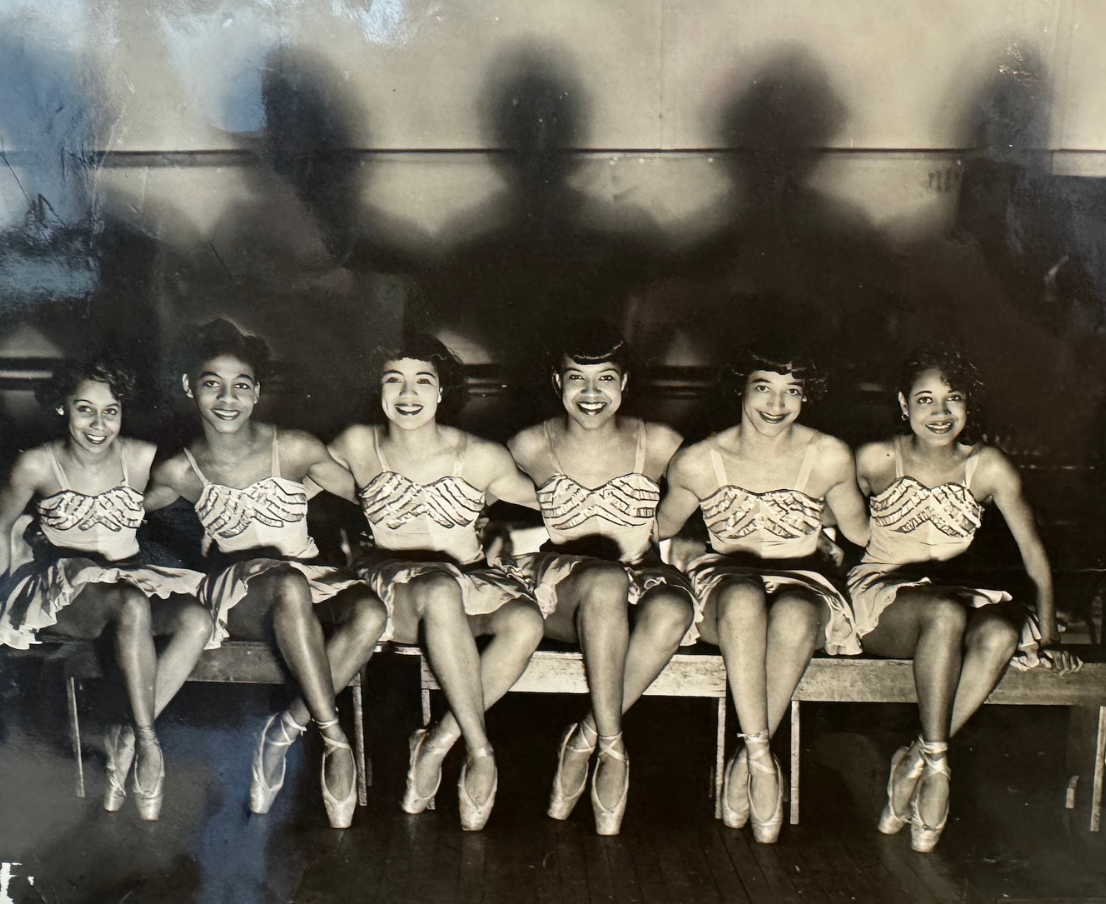
Today, much of this history can be found at the Auburn Avenue Research Library. Its archives hold black-and-white photographs of musicians and club-goers captured in a moment in time.
The preserved memories offer more than nostalgia. They honor the roots of a neighborhood that helped shape the soundtrack of the era. More than just neighborhoods, Old Fourth Ward and Sweet Auburn were cultural epicenters—where people came to feel alive, to be seen, and to hear something unforgettable.”


Let’s Connect
Have questions about BLVDNEXT? Want to learn more about opportunities for residents or businesses? Need to share your thoughts about the project? We’re here to listen.